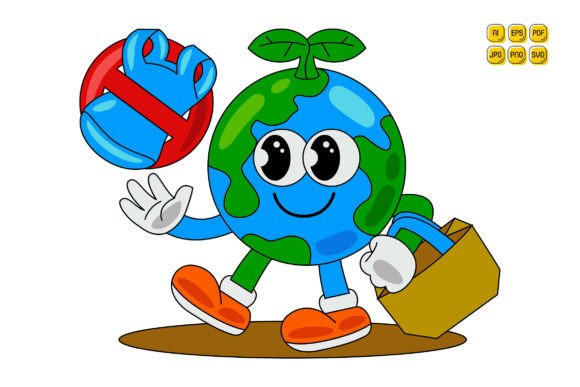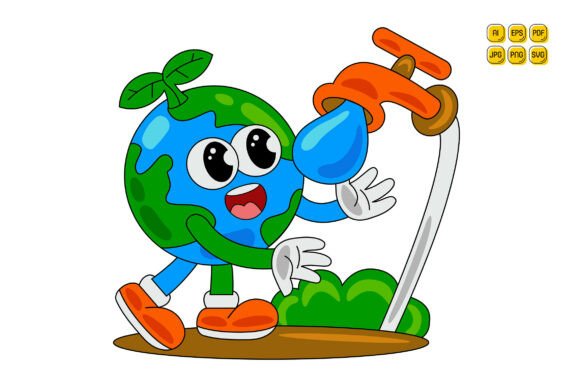
Cartoon Earth Character Vector Art 10: A Designer's Stitch Test
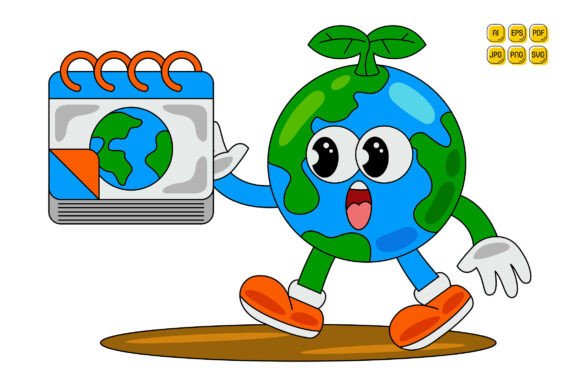
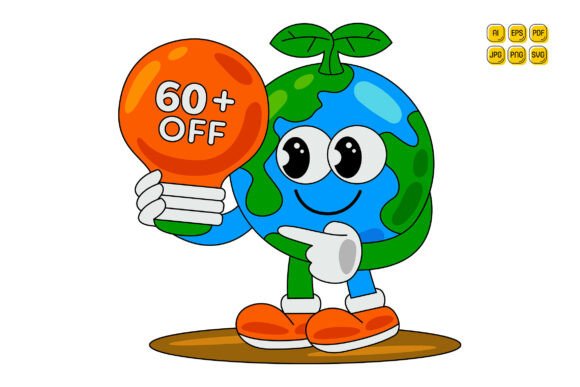
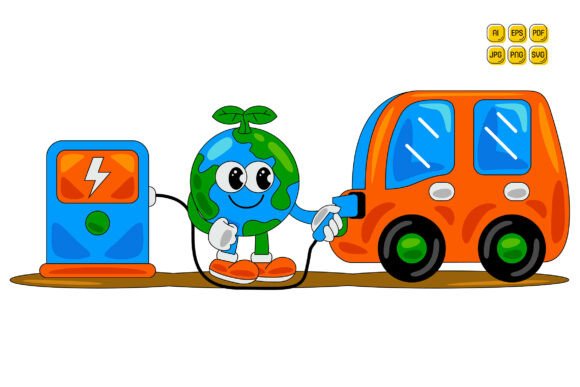
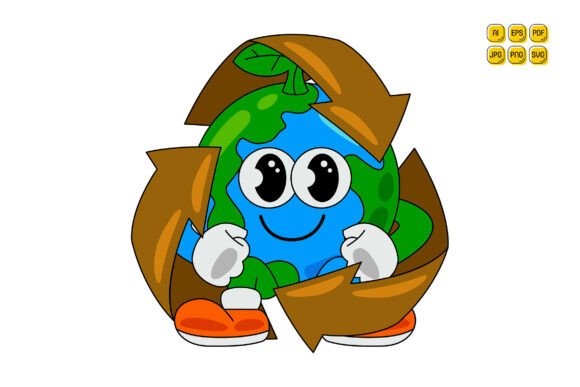
When I first opened the file for Cartoon Earth Character Vector Art 10, I didn't just see a vector graphic; I saw a potential bestseller. As someone who spends their days translating digital pixels into tangible stitches, my first reaction was one of cautious optimism. The character itself is charming—a personified globe with a playful expression that immediately suggests warmth and approachability. In the world of embroidery, where texture and thread density can make or break a design, this piece stands out because it feels ready to be worn.
The prompt describes this asset as a versatile tool for branding and social media, but let's be honest: we are here to talk about the needle and thread. How does this illustration translate from a screen to a tote bag? Does it hold up when stitched onto a sweatshirt cuff? After running through several mental simulations of real-world application, I have some practical insights on how Cartoon Earth Character Vector Art 10 performs in the hoop.
First Impressions: From Screen to Thread
The visual personality of this design is its strongest asset. It strikes a balance between cute and professional, which is a delicate tightrope to walk in embroidery. The shape is relatively simple, avoiding overly intricate details that often get lost in satin stitch. This simplicity is exactly what makes it a strong candidate for a wide range of projects. When you look at the layout, you can instantly imagine it centered on a canvas tote bag or perhaps nestled on the chest of a baby onesie.
However, the "cartoon" style requires specific attention during digitizing. If the lines are too thin, they will disappear under the weight of the thread. If the curves are too sharp, they might snag on the fabric. My initial assessment is that Cartoon Earth Character Vector Art 10 has a clean silhouette that lends itself well to standard machine embroidery techniques. It invites creativity with thread colors, allowing an embroiderer to shift the mood from earthy greens and blues to vibrant, neon variations depending on the target audience.
Real-World Scenarios: Where This Design Shines
To truly understand the value of this design, I like to visualize it in action. Let's say I am preparing a custom order for a local eco-friendly boutique. They need a signature item for their new line of reusable shopping bags. Cartoon Earth Character Vector Art 10 fits this perfectly. The concept of a smiling planet aligns seamlessly with sustainability messaging. When stitched onto a sturdy cotton canvas, the rounded features of the character would create a soft, inviting focal point that customers would love to photograph and share on social media.
Another compelling use case is for personalized gifts. Imagine a nursery decor set featuring a baby blanket or a plush pillow. The gentle, friendly nature of the cartoon earth character makes it ideal for children's items. It avoids the harshness of complex geometric patterns and instead offers a comforting presence. For a small shop owner selling handmade goods, this design could serve as a recognizable brand mark across various products, from aprons in a kitchen setting to patches on denim jackets.
I also see great potential in holiday merchandise. During the fall and winter seasons, a variation of this design using warm autumnal thread colors could become a staple for seasonal cards or gift wrap accents. The ability to resize and change colors, as noted in the product description, means you can adapt this single asset for everything from a tiny embroidered patch on a cap to a large-scale wall hanging.
The Fine Print: Where to Exercise Caution
While the design is promising, every experienced designer knows that context matters. There are specific scenarios where Cartoon Earth Character Vector Art 10 might require extra care or might not be the best choice at all. One major consideration is the hoop size. If you are working with a very small hoop, such as those used for monogramming on socks or small wristbands, the detail level of the character might get compressed. The facial features could merge together, losing the charm that makes the design unique.
Fabric texture is another critical factor. Embroidery on stretchy fabrics like jersey or thin synthetics can lead to puckering if the stabilizer isn't chosen correctly. While the design itself is manageable, the final look depends heavily on the base material. On a dark fabric, the contrast of light-colored threads might be washed out unless you use a high-density fill or a specific underlay technique. Conversely, on a textured fabric like a heavy wool coat, the fine lines of the vector art might get lost in the weave.
I also advise caution when considering curved surfaces like baseball caps. While possible, the curvature can distort the circular nature of the earth character if the digitizing doesn't account for the curve radius. Additionally, for items that require frequent washing, such as kitchen towels or work aprons, ensure that the stitch density is sufficient to prevent fraying over time. Dense stitch areas are beautiful, but they can also add stiffness to the fabric, so test the hand-feel before committing to a large production run.
Impact on Brand and Customer Trust
In the competitive world of Etsy sellers and craft businesses, presentation is everything. A poorly executed embroidery job can signal low quality, even if the underlying design is good. However, when Cartoon Earth Character Vector Art 10 is executed well, it elevates the perceived value of the finished product. It signals professionalism and attention to detail. Customers are more likely to trust a brand that uses cohesive, high-quality graphics that look intentional rather than generic.
The versatility of this design allows for brand consistency. Whether you are selling digital mockups or physical goods, the character remains a recognizable element. This recognition builds a connection with the buyer. When a customer sees the same friendly face on a tote bag, a sticker, and a website banner, it creates a unified experience. This consistency is crucial for turning casual buyers into loyal repeat customers.
Practical Notes for the Embroidery Designer
Before you hit the start button on your machine, there are a few steps every professional should take. First, always test the design on scrap fabric. This is non-negotiable. You need to verify how the stitch density interacts with your specific fabric type. Check the thread color contrast by sewing a sample in black and white mockups to ensure visibility.
Review the hoop size requirements carefully. If the file format is not specified, contact the provider to confirm compatibility with your machine. Ensure you are using the proper stabilizer to support the fabric during stitching. Inspect the small details of the character to see if any lines are too fine to stitch effectively. If the design includes text, verify that the lettering is legible after stitching.
Finally, confirm the licensing terms. Even though the product description mentions commercial use, it is vital to read the fine print regarding resale rights. Are you allowed to sell the finished physical items? Can you include this in a digital download package? These distinctions matter for your business model.
Cartoon Earth Character Vector Art 10 is more than just a pretty image; it is a functional tool for creative entrepreneurs. With the right execution, it can transform a simple piece of fabric into a memorable, marketable product. By understanding its strengths and respecting its limitations, you can turn this vector asset into a standout addition to your portfolio.