Laboratory Equipment and Science Vector Review
I have stitched thousands of designs, from intricate floral monograms to bold streetwear graphics, but I always approach a new file with a mix of excitement and skepticism. When Laboratory Equipment and Science Vector landed in my inbox, I didn't just see a collection of flasks and test tubes; I saw a potential centerpiece for a science-themed boutique line or a custom gift for a future researcher. As an experienced designer who values practical application over flashy promises, I decided to put this design through the wringer to see if it truly holds up as a viable machine embroidery design for real-world projects.
The First Impression: Clean Lines and Scientific Charm
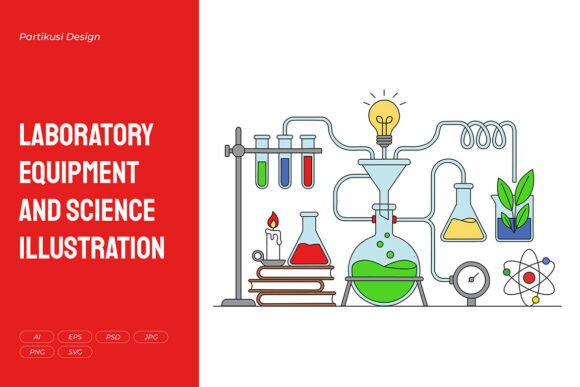
Upon opening the file, the immediate aesthetic of Laboratory Equipment and Science Vector is strikingly modern. The flat illustration style translates beautifully into stitch form because it relies on clear shapes rather than complex shading. In the world of embroidery, where we are limited by thread thickness and fabric grain, simplicity is often the key to success. This design feels like a breath of fresh air compared to the cluttered, overly detailed vector files that often cause confusion during digitizing.
The mood is professional yet playful. It captures the essence of innovation without feeling cold or sterile. For a designer looking to create something for a university lab, a medical clinic, or a STEM-focused educational program, this embroidery file hits the right note. It suggests precision, cleanliness, and curiosity. Visually, the layout is balanced, allowing the various pieces of equipment to stand out individually while working together as a cohesive unit. It is the kind of design asset that can elevate a plain tote bag into a statement piece instantly.
Real-World Application: From Sketch to Stitch
Let's talk about how this actually performs when you move from the screen to the hoop. I recently envisioned using Laboratory Equipment and Science Vector for a custom order involving high-quality cotton canvas tote bags for a local science fair. The goal was to create a reusable bag that teachers and students would be proud to carry home.
The flat nature of the illustration meant that the satin stitch areas would lay down smoothly, creating sharp edges that mimic the crisp lines of the original vector. However, I had to be mindful of the fill stitch density. If the fill is too heavy, the fabric could pucker, especially on thinner materials. But with the right setup, the result is a polished look that screams quality. Imagine the final product: a sturdy canvas bag featuring colorful glassware and bubbling beakers, perfectly suited for a chemistry teacher or a budding scientist.
This design also shines on baby items. A onesie embroidered with a tiny version of this graphic creates a memorable personalized gift. The clean lines ensure that even on the softest cotton jersey, the image remains distinct and not lost in the fabric texture. It works equally well on a sweatshirt, where the slightly heavier fabric supports the weight of the stitches, or on a kitchen towel for a chef who loves science. The versatility is what makes this Graphics category item so valuable for small business owners.
Where Caution Is Key: Knowing Your Limits
While Laboratory Equipment and Science Vector is a strong contender, no design is perfect for every surface. There are specific scenarios where you need to exercise caution. If you are planning to use this on a curved surface like a baseball cap, the geometry of the flasks might distort slightly depending on the curvature of the hat. You must check the hoop size relative to the design dimensions to ensure the entire image fits within the stabilizer area without cutting off critical details.
Texture is another factor. While this design works well on smooth fabrics, applying it to heavily textured materials like fleece or thick corduroy can obscure the finer details of the test tubes and stoppers. Similarly, on stretchy knits, the tension required for the running stitch and satin elements might cause the fabric to warp if not stabilized correctly. I would advise against using this on very thin fabrics unless you are using a cut-away stabilizer to prevent puckering.
Dense stitch areas are also a consideration. If the original vector includes many small, tightly packed elements, the resulting stitch density might be too high for some machines or fabrics. Always inspect the small details before committing to a large production run. If the design features tiny lettering or minute decorative accents, these may become illegible blobs once stitched, particularly on dark fabrics where contrast is lower.
Visual Appeal and Customer Trust
In the handmade market, visual clarity directly impacts perceived value. A well-executed embroidered patch or tote bag design builds trust with your customers. When a buyer sees that Laboratory Equipment and Science Vector has been stitched with care, they perceive the finished product as premium. The clean, modern aesthetic aligns perfectly with current trends in commercial embroidery, where minimalism and clarity are prized.
For an Etsy seller or a crafter at a craft fair, this design offers a unique niche. It stands out among the usual flowers and animals. It appeals to a specific demographic—scientists, teachers, parents of STEM kids—which allows for targeted marketing. The professionalism of the design helps justify a higher price point. When you present a finished product that looks sharp and intentional, you signal that you take pride in your work, which encourages repeat business and positive reviews.
Practical Notes for the Designer
Before you start stitching, there are several technical steps you should follow to ensure success. First and foremost, test the design on scrap fabric. This is non-negotiable. Check how the thread colors interact with your chosen background. A bright yellow flask might get lost on a white shirt but pop on a navy blue one. Always review the stitch density settings in your software to avoid overwhelming the fabric.
Confirm your hoop size matches the design dimensions. If the design is large, you may need to split it or use a larger frame. Inspect small details closely; if the digitizing includes tiny text or fine lines, consider simplifying them for better stitch definition. Test the design in black and white mockups to ensure the contrast holds up visually before you commit to expensive threads.
Don't forget the basics: use the proper stabilizer for your fabric type. For woven fabrics, tear-away might suffice, but for knits or stretchy materials, a cut-away or water-soluble backing is essential. Also, verify whether the license terms allow for commercial use. If you plan to sell small shop products featuring this design, you must confirm you have the rights to do so. Finally, compare light and dark fabric backgrounds to see how the color palette performs in different lighting conditions.
Laboratory Equipment and Science Vector is more than just a pretty picture; it is a functional tool for designers who want to add a touch of scientific wonder to their collections. By understanding its strengths and respecting its limitations, you can create stunning custom apparel and holiday embroidery pieces that resonate with your audience. Whether you are building a brand for a boutique or crafting a unique gift for a loved one, this design offers a solid foundation for creativity.