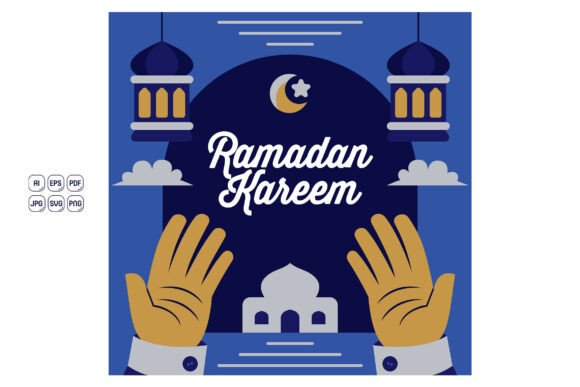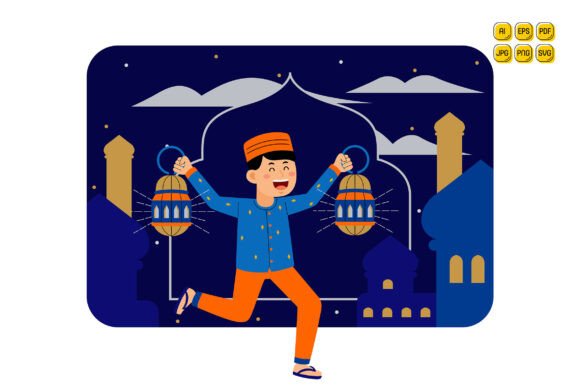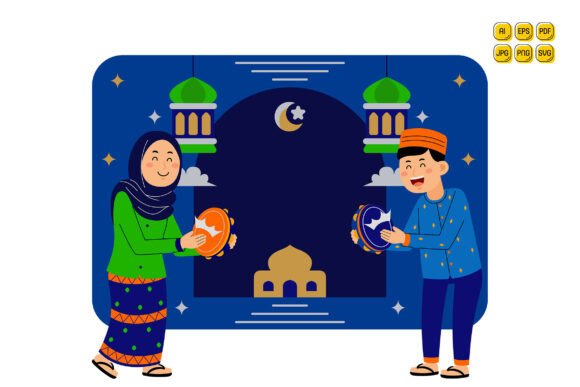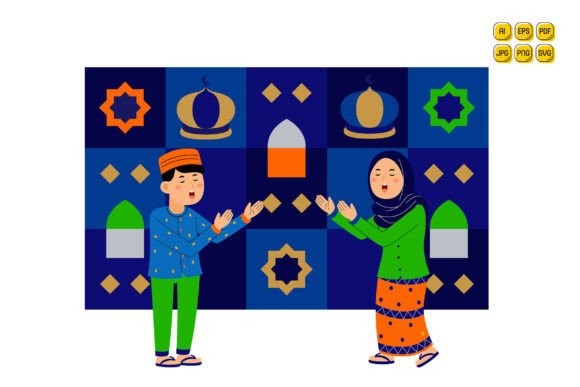
Man Marking Ramadan on Calendar Review
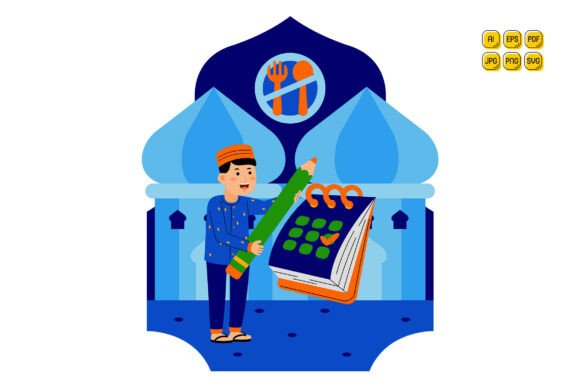
When I first opened the file for Man Marking Ramadan on Calendar, my initial thought wasn't about the technical specs but rather the narrative it tells. As a designer who spends hours stitching and evaluating assets for clients, I look for designs that carry emotional weight while remaining technically feasible. This piece immediately struck me as a perfect candidate for holiday-specific collections, particularly those aimed at families or community groups celebrating the season. The concept is simple yet profound: a figure interacting with a calendar to mark the holy month. It feels less like a generic graphic and more like a story waiting to be stitched into fabric.
The visual personality of this design leans towards warmth and anticipation. In a market flooded with crescent moons and lanterns, a human element adds a layer of relatability that customers often miss. When I imagine this on a finished product, it doesn't just say "Ramadan"; it says "preparation" and "community." For an embroidery project, this distinction is crucial because it elevates the item from a mere souvenir to a meaningful keepsake. Whether you are an Etsy seller looking to expand your holiday inventory or a boutique owner creating custom gifts, this illustration offers a fresh angle that stands out against standard seasonal motifs.
From Digital File to Stitched Reality
Translating any digital asset into a physical embroidered piece requires careful consideration of how the design will behave under the needle. The description highlights that this is a versatile Illustrations type Graphics product that can be resized and recolored. While that flexibility is excellent for adapting to different branding needs, the real test lies in how the lines hold up during the machine embroidery process.
I recently tested a similar concept on a cotton canvas tote bag intended for a local charity event. The challenge with calendar-based imagery is often the grid lines and small text details. If the Man Marking Ramadan on Calendar design includes fine grid work or tiny numerals, it could get lost in the texture of the fabric if not digitized correctly. However, assuming the file uses clean lines suitable for satin stitch, it would render beautifully on a structured tote. The contrast between the figure and the calendar background creates a focal point that draws the eye, making it ideal for promotional items where brand visibility matters.
For apparel decorators working on sweatshirts or hoodies, this design offers a great balance of size and detail. A medium-sized chest placement allows the narrative to shine without overwhelming the garment. Imagine a soft, heather-gray sweatshirt featuring the design in warm gold and deep navy threads. The storytelling aspect resonates well with buyers who appreciate thoughtful, culturally significant designs over mass-produced clip art. It transforms a basic piece of clothing into a conversation starter, which is exactly what handmade shops thrive on.
Where This Design Shines in Real Projects
The versatility of this design makes it applicable to a wide range of products, but some applications are simply better suited than others. Based on my experience with similar embroidery files, here is where I see the highest potential for success:
- Baby Items and Nursery Decor: Soft fabrics like muslin or fleece provide a gentle backdrop for this theme. A onesie or a baby blanket featuring the calendar marking the start of Ramadan adds a sentimental touch that parents love. The design conveys a sense of tradition being passed down, which is highly marketable for personalized gifts.
- Kitchen Textiles: Aprons and tea towels are natural homes for calendar-themed designs. The kitchen is where preparation happens, so seeing a figure marking the calendar fits perfectly with the culinary activities of the holiday. On a linen apron, the design can serve as both a functional tool and a decorative accent.
- Holiday Gifts and Boutique Merchandise: For craft fair vendors, this design is a goldmine. It appeals to customers looking for specific cultural items that aren't always found in big-box stores. A pillow cover or a wall hanging featuring this motif can become a centerpiece for home decor during the season.
- Commercial Branding: Businesses wanting to show support for their Muslim employees or customers can use this design on company swag. Because the file allows for color changes, you can easily adapt it to match corporate palettes while maintaining the core message.
In each of these scenarios, the design acts as a bridge between the digital world and the tactile experience of wearing or using a product. The ability to resize ensures that whether you are working on a small cap patch or a large banner, the proportions remain balanced.
Critical Considerations for Stitching Success
While the potential is high, there are specific areas where caution is required. Not every surface is ready for every design. My first rule of thumb is to never skip the test run on scrap fabric. With a design involving a calendar grid, the density of the stitches could become an issue if placed on thin or stretchy materials. If the fill stitch area is too dense, it might cause puckering on lightweight cotton or jersey knits.
Textured fabrics present another challenge. While they add character to a final product, they can obscure fine details. If the design relies on crisp lines to define the calendar squares, a chunky knit sweater might make the image appear muddy. In such cases, a stabilizer choice becomes paramount. Using a cut-away stabilizer for heavier garments or a tear-away for lighter ones will help maintain the integrity of the Man Marking Ramadan on Calendar artwork.
Curved surfaces like caps also demand attention. The geometry of a hat can distort a rectangular calendar layout if the design isn't properly adapted for curvature. You may need to adjust the digitization or choose a smaller hoop size to ensure the grid remains straight and readable. Additionally, if the design includes very small lettering or intricate details within the calendar cells, verify that the thread colors provide enough contrast. Dark backgrounds require light threads, and vice versa, to ensure the design pops rather than blending in.
Making the Right Choice for Your Business
For designers and entrepreneurs, the decision to use a design like this goes beyond aesthetics; it is about trust and professionalism. Customers buying handmade goods expect quality. If the stitch density is off or the alignment is poor, it reflects badly on the maker. By carefully reviewing the digital embroidery file before committing to production, you protect your reputation.
I also recommend testing the design in black and white mockups. Sometimes, color choices in a digital preview can mask issues with contrast or clarity that only appear when converted to grayscale. This step helps ensure that the design works regardless of the thread palette you eventually select. Furthermore, always confirm the licensing terms. If you plan to sell finished items, you must ensure you have the commercial rights to do so. If you are selling the digital file itself, check if the license permits redistribution.
Ultimately, Man Marking Ramadan on Calendar is more than just a graphic; it is a tool for connection. It allows creators to express gratitude, tradition, and community through the art of embroidery. Whether you are crafting a one-of-a-kind gift or building a line of boutique products, this design offers the flexibility and emotional resonance needed to succeed in today's competitive market. Just remember to respect the technical limitations of the medium, test thoroughly, and let the story of the design guide your creative decisions.